
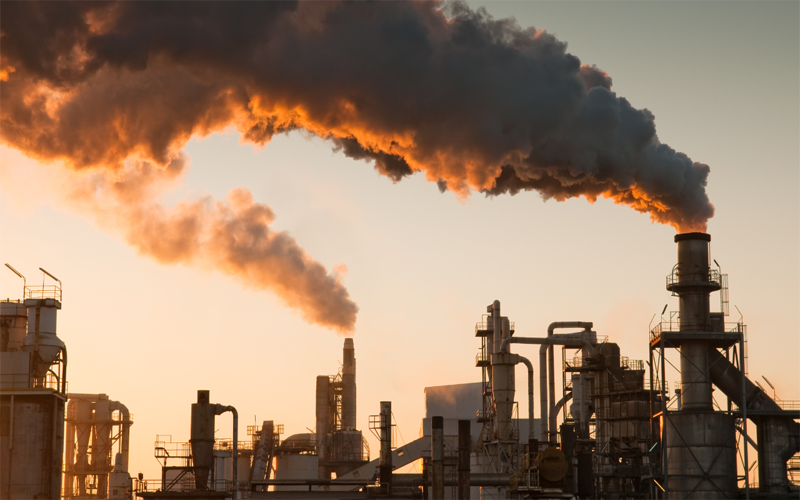
Patiala, November 3, 2025: The city of Patiala is currently engulfed in a thick layer of smog, with air quality reaching critical levels that pose an immediate public health emergency. Real-time monitoring data indicates that the Air Quality Index (AQI) has consistently fluctuated into the ‘Very Poor’ to ‘Severe’ categories over the past week, temporarily placing Patiala among the top five most polluted cities in India.
The Grim Numbers: AQI in the Red Zone
According to data from pollution tracking agencies, Patiala’s average AQI has hovered around 286 (Poor), but peak readings in several city areas, such as Model Town, have soared past the 400-mark, officially classifying the air quality as ‘Severe’. Prominent pollutants are consistently Particulate Matter (PM2.5 and PM10), the microscopic particles capable of penetrating deep into the lungs and bloodstream. At these levels, the concentration of PM2.5 can be over 28 times the recommended limit set by the World Health Organization (WHO).
The current severity of Patiala’s air pollution places it alongside the most critically polluted urban centres in the North Indian plains.
Root Causes of the Crisis
The annual deterioration of Patiala’s air quality is a complex, multi-factor issue exacerbated by regional climatic conditions:
- Stubble Burning: The primary seasonal culprit is the burning of paddy residue in the surrounding agricultural fields of Punjab. Farmers, constrained by a narrow window for sowing the subsequent Rabi crop, resort to setting fields alight to quickly clear stubble. The resulting smoke travels into urban centres like Patiala, accounting for a significant surge in PM levels during the post-harvest period (October and November).
- Local Emissions: Chronic local sources compound the crisis. These include vehicular exhaust from an increasing number of private vehicles, industrial emissions, and unchecked dust generated by construction and demolition activities across the city.
- Adverse Meteorology: The onset of winter brings slower wind speeds and lower temperatures, leading to a phenomenon known as thermal inversion. This traps pollutants close to the ground, preventing dispersion and concentrating the smog over the city for extended periods.
Impact on Public Health
The sustained exposure to ‘Severe’ air quality carries profound health implications, leading to an effective public health crisis:
- Respiratory Illnesses: Doctors report a sharp rise in cases of coughing, throat irritation, and shortness of breath. The severe PM2.5 levels trigger flare-ups in pre-existing conditions like Asthma and Chronic Obstructive Pulmonary Disease (COPD).
- Cardiovascular Risks: Fine particulate matter is directly linked to increased risks of heart disease and stroke, especially among the elderly and vulnerable populations.
- Vulnerable Groups: Children, due to their developing lungs and higher breathing rates, are exceptionally susceptible to long-term harm. Studies have shown that traffic policemen and others occupationally exposed to high pollution levels in Patiala exhibit significantly impaired lung function.
Action and Advisory
In response to the crisis, the Punjab Pollution Control Board (PPCB) has intensified monitoring and enforcement actions against violators of stubble burning and local waste disposal norms.
Public Health Advisory: Residents are strongly urged to take proactive measures:
- Avoid All Outdoor Activities: Limit physical exertion and non-essential travel.
- Air Filtration: Use high-efficiency air purifiers indoors and wear N95/P99 masks when outside.
- Monitor Symptoms: Seek immediate medical advice for persistent symptoms like difficulty breathing or chest pain.
The current pollution crisis in Patiala underscores the urgent need for long-term, structural solutions—from aggressively promoting crop residue management technologies to strictly.