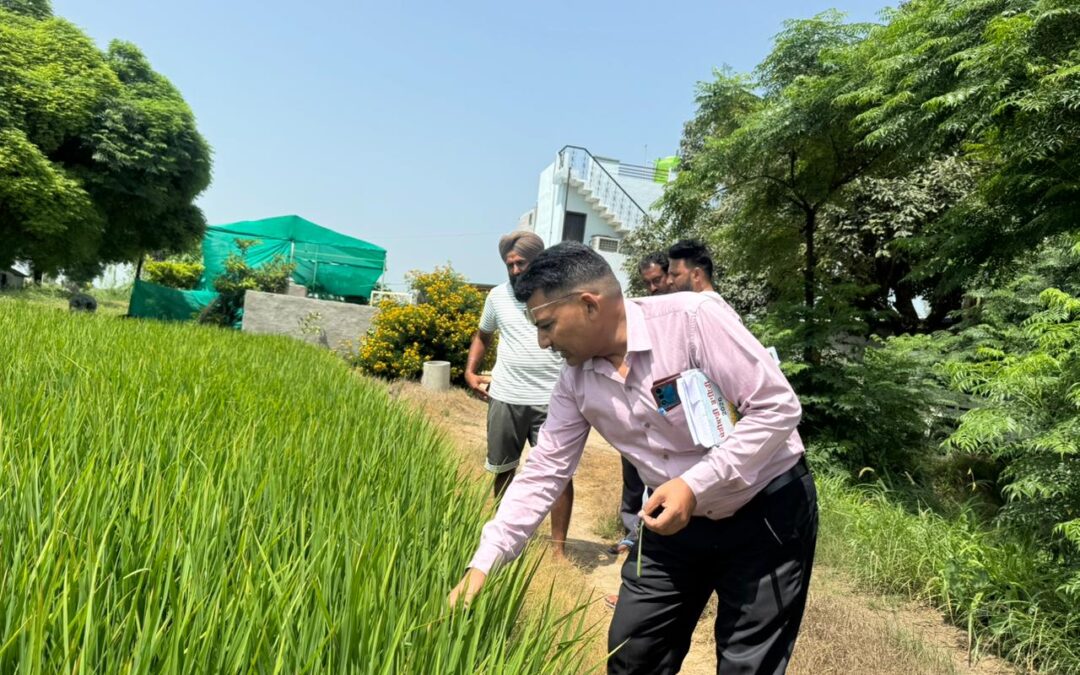

A sustained and stringent surveillance drive by the Agriculture Department and local administration has led to a significant reduction in the illegal diversion of subsidized agricultural urea for industrial use in Yamunanagar. The crackdown is a major relief for the local farming community, ensuring that neem-coated urea intended for crops remains available in the market during the peak Rabi season.
The Strategy Behind the Success Yamunanagar, known for its extensive plywood and adhesive industries, has historically faced challenges with the illegal use of agricultural urea in manufacturing processes.
-
Special Flying Squads: The administration formed specialized squads that conducted surprise raids on plywood factories and godowns. These teams verified the source of urea being used in industrial resins.
-
Point of Sale (PoS) Monitoring: Strict monitoring of PoS machines at fertilizer dealerships ensured that urea was only sold to farmers with valid Aadhaar authentication. Discrepancies in stock registers led to the immediate suspension of licenses for several errant dealers.
-
Chemical Analysis: In several instances, samples from industrial units were tested to confirm the presence of neem-coating, proving the diversion of subsidized agricultural stocks.
Impact on Availability Authorities reported that because of these measures, the “artificial shortage” of urea that often plagued the district in previous years has been largely eliminated. Farmers are now able to procure the fertilizer without standing in long queues or facing overcharging by retailers.
Legal Consequences Multiple FIRs have been registered against industrial unit owners and middlemen involved in the black marketing of urea. The administration has warned that any factory found using subsidized urea will face permanent sealing and criminal prosecution under the Essential Commodities Act.
The Agriculture Department is also encouraging industrial units to shift entirely to technical-grade urea, which is sold at market rates, ensuring that the government’s fertilizer subsidy directly benefits the intended recipients—the farmers.