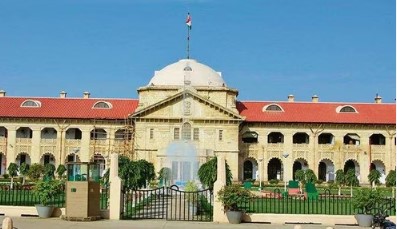



In a significant victory for judicial independence, the Punjab and Haryana High Court on August 8 stayed Haryana government orders that were allegedly interfering with the functioning of the State Consumer Disputes Redressal Commission (SCDRC). The ruling came amidst a growing “Bureaucrats vs Commission” standoff, where the Commission’s autonomy was reportedly being undermined by administrative officials.
⚖️ The Conflict: Bureaucratic Overreach The High Court’s intervention was sought by the Commission itself, led by its President, Justice (retd) TPS Mann.
-
The Allegations: The Commission accused the Principal Secretary of the Food, Civil Supplies, and Consumer Affairs Department of “unlawful interference” in its day-to-day administration.
-
Specific Acts: The government had blocked transfer orders of district commission presidents and members issued by the SCDRC President. Furthermore, the security cover of Justice TPS Mann was abruptly withdrawn, which the court viewed seriously.
-
Staff Insubordination: The plea highlighted that bureaucratic interference had encouraged subordinate staff to disobey the Commission’s orders, effectively paralyzing its functioning.
🚫 High Court’s Order Taking a stern view of the executive overreach, the High Court bench stayed the government orders that blocked the Commission’s administrative decisions.
-
Stay Granted: The court halted the operation of government directives that annulled the Commission’s transfer and posting orders.
-
Explanation Sought: The bench issued a notice to the state government, demanding an explanation for the withdrawal of the President’s security cover and the rationale behind the interference.
🏛️ Significance The court reiterated the settled legal position that the administrative control of State and District Consumer Commissions vests with the President of the SCDRC, not with government secretaries. This order is seen as a crucial step in preserving the “autonomy and dignity” of quasi-judicial bodies against bureaucratic encroachment