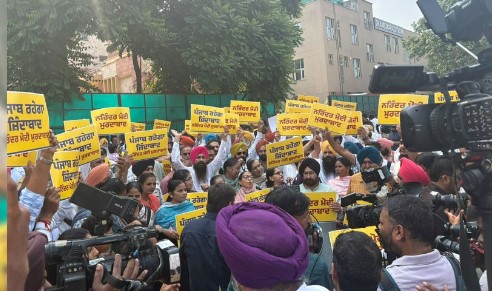

Public health concerns in Haryana’s Sirsa district have reached alarming levels following reports of rising cancer cases, particularly in the villages situated along the Ghaggar belt. The surge in serious health issues has put the spotlight back on the region’s heavy reliance on contaminated groundwater and the delay in completing canal-based drinking water projects. The situation has prompted strong political reactions, with Sirsa Member of Parliament (MP) and senior Congress leader Kumari Selja demanding immediate intervention to supply clean drinking water through the Bhakra canal system.
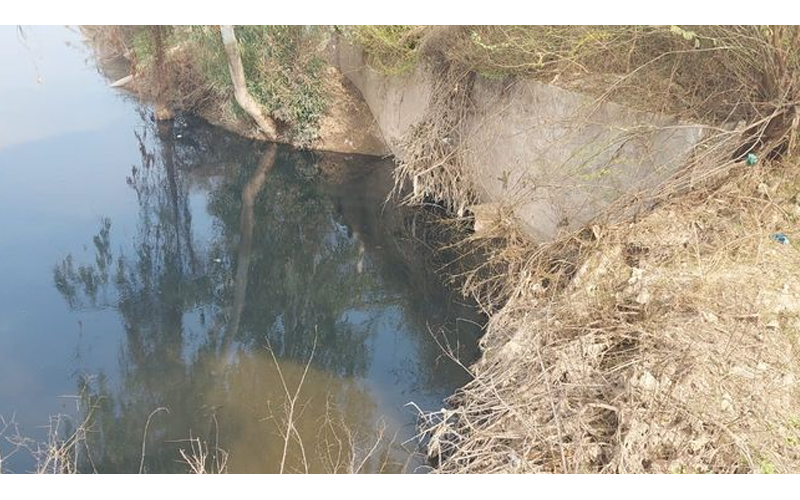
The primary source of the crisis appears to be the Ghaggar River, into which polluted water from various factories is allegedly released. This pollution has seeped into the groundwater, which remains the main source of drinking water for a large population due to the lack of alternative supplies. Speaking on the issue, Kumari Selja highlighted that reliance on this “poisonous” tubewell-based supply is having a devastating impact on public health, making the shift to canal water an urgent necessity for the region’s survival.
In what is seen as a significant validation of these concerns, the government has admitted in an official reply that several villages in Sirsa district—including the town of Rania—are still not fully connected to the Bhakra canal water supply network. The government report acknowledged that while canal-based schemes had been approved for many areas, work remains incomplete. Consequently, residents in villages such as Kheowali, Shahpur Begu, Bajekan, Gindran, Kagdana, Khajakhera, Alipur, Madhosinghana, Ahmedpur, Hassu, Raghuana, Panihari, Jhorad, Jamal, Jodhkan, Fatehpuria, and Rangri are forced to depend on groundwater sources that authorities themselves have found to be contaminated in some instances.
Selja pointed out the irony that despite the government’s admission of the problem, the projects remain stalled. She urged the administration to prioritize the completion of these pending water works to ensure safe drinking water and reduce the health risks for lakhs of residents. Previous studies have indicated the presence of heavy metals like lead, iron, and aluminum in the river water, far exceeding permissible limits, which experts have long linked to the deteriorating health profile of the communities living near the river banks.