
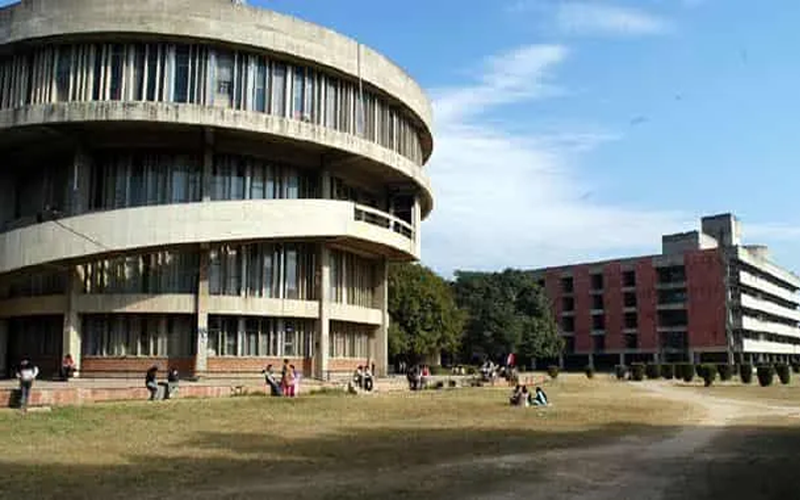
CHANDIGARH – In a momentous administrative decision impacting the control of a historic institution, the Central Government on October 31 ordered the immediate dissolution of the Punjab University (PU) Senate and Syndicate. The order, which takes effect from November 5, marks the first time that the university’s highest decision-making bodies have been entirely dismantled since their reorganisation in Chandigarh post-1947.
The notification was issued by the Chandigarh Administration, following approval from Union Home Minister Amit Shah, under Section 20(1)(a) of the Punjab University Act 1947.
New Governance Structure: The university will now be governed by a Board of Governors (BoG), led by the Vice-Chancellor (VC). This board will consist solely of nominated representatives from the Central Government, the University Grants Commission (UGC), and the Chandigarh Administration, eliminating the elected component of the governance structure.
- End of Elections: Under the new order, the university will no longer hold elections for the Senate, nor will there be any representation for graduate voters. The previously 91-member Senate and 15-member Syndicate—which determined university policies and budget—will have their authority fully transferred to the newly nominated Board.
Strong Political and Academic Backlash: The decision has met with immediate and fierce criticism from political and academic circles, with many calling it an “attack on the democratic structure.”
SAD President Sukhbir Singh Badal strongly condemned the move, particularly noting its timing on ‘Punjab Day,’ stating it was an “insult to the country’s federal structure” and an “attack on Punjab’s educational and intellectual structure.”
University faculty members, former students, and student organizations have voiced concerns that the Senate and Syndicate were the only forums where the university’s diverse stakeholders—including faculty, students, and alumni—could express their views on policy and administration.